

Custom Automotive Machining & Manufacturing Services

AUTOMOTIVE

Custom Components for Automotive Applications

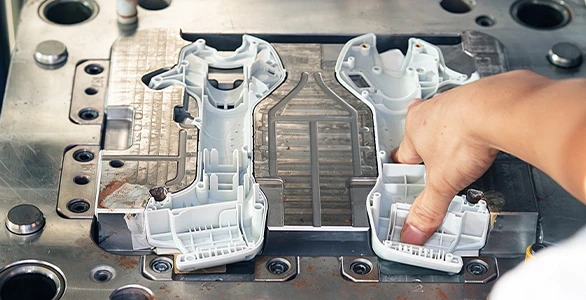
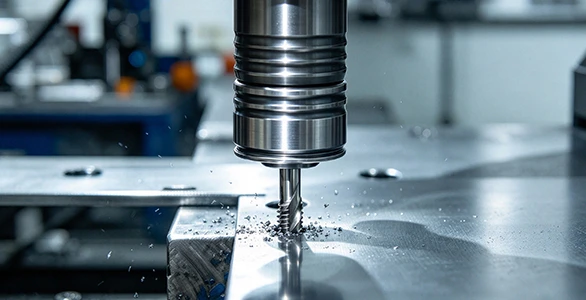
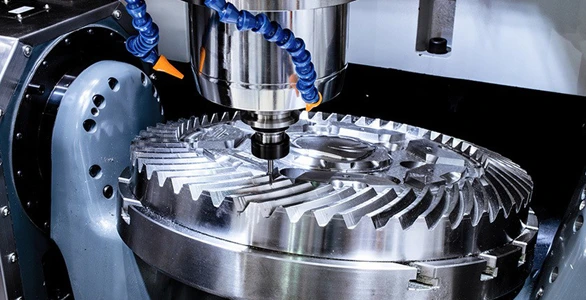
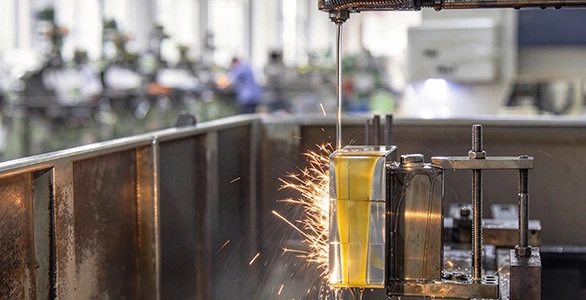
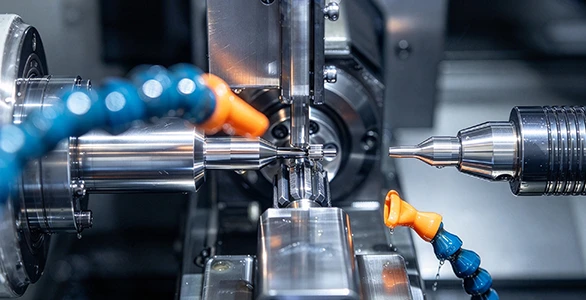
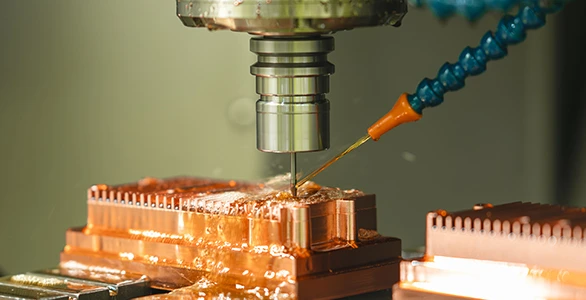
Automotive manufacturing projects require components designed around specific material, dimensional, functional, and assembly requirements. Koham supports B2B customers with custom CNC machining, sheet metal fabrication, plastic injection molding, prototyping, and related manufacturing coordination. From mechanical components and mounting brackets to housings and equipment parts, we work from your engineering drawings and project specifications to discuss suitable manufacturing solutions.

Manufacturing Solutions for Automotive Applications

Support automotive product development with suitable materials, manufacturing processes, and component specifications.

Prototype Development

Create prototype components for evaluating part geometry, mounting interfaces, fit, and selected functional requirements.

Application-Specific Design

Review engineering drawings, critical dimensions, tolerances, and assembly requirements for each component.

Material Selection

Evaluate suitable metals and engineering plastics according to mechanical performance, weight, temperature, and operating conditions.

Production Planning

Consider manufacturing methods, quantities, finishing, assembly, and inspection requirements before proceeding with production.

High-Quality Precision-Machined Components for Automotive Applications

Koham provides custom CNC-machined components for automotive applications, including housings, mounting brackets, shafts, and other mechanical parts. From prototypes to recurring production, we work with B2B customers to manufacture components according to their drawings, material specifications, and dimensional requirements. Our manufacturing solutions support conventional automotive, electric vehicle, and automotive equipment applications, with a focus on quality, consistency, and reliable project coordination.


By reviewing your engineering drawings, material choices, and application requirements, Koham helps identify suitable machining processes for each project. We support automotive customers in developing functional components that meet their design specifications and manufacturing objectives, from initial prototypes to ongoing production needs.

Automotive Applications

Custom Components for Automotive Applications

Explore common component types used in automotive products, vehicle-related equipment, and manufacturing systems.

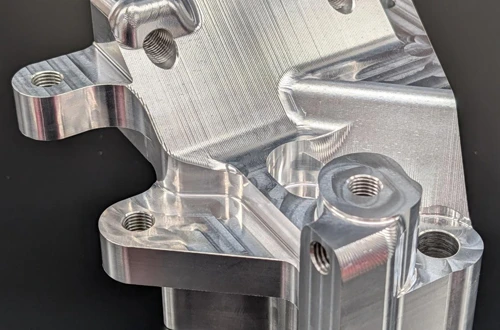
Brackets Mounting Components

Brackets & Mounting Components

Mounting brackets, support plates, and fastening components for mechanical assemblies.

Housings Enclosures

Housings & Enclosures

Custom housings, protective covers, and mounting enclosures for suitable mechanical and electrical applications.
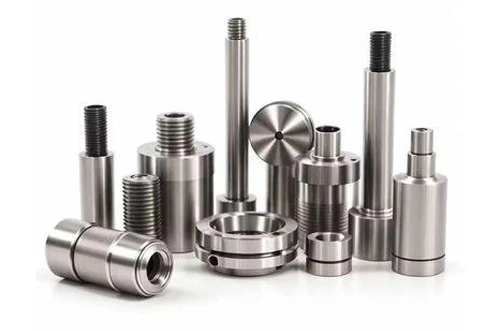
Shafts Turned Components

Shafts & Turned Components

Custom shafts, pins, spacers, and other cylindrical components manufactured to specified dimensions.
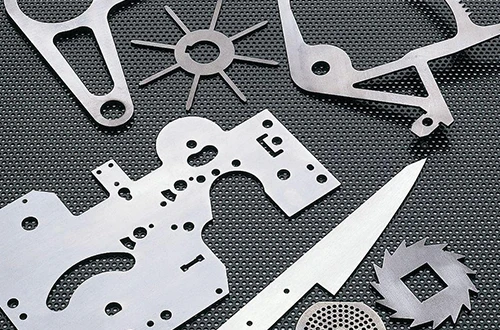
Custom Sheet Metal Parts

Plastic Components

Selected molded or machined plastic parts, including clips, covers, housings, and functional components.
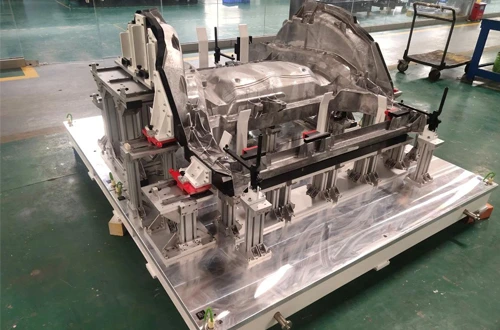
Fixtures Tooling Components

Fixtures & Tooling Components

Custom fixtures, mounting structures, and tooling components for automotive manufacturing and assembly equipment.

Aftermarket Custom Parts

Aftermarket & Custom Parts

Drawing-based replacement, modification, and custom components, subject to technical and application requirements.
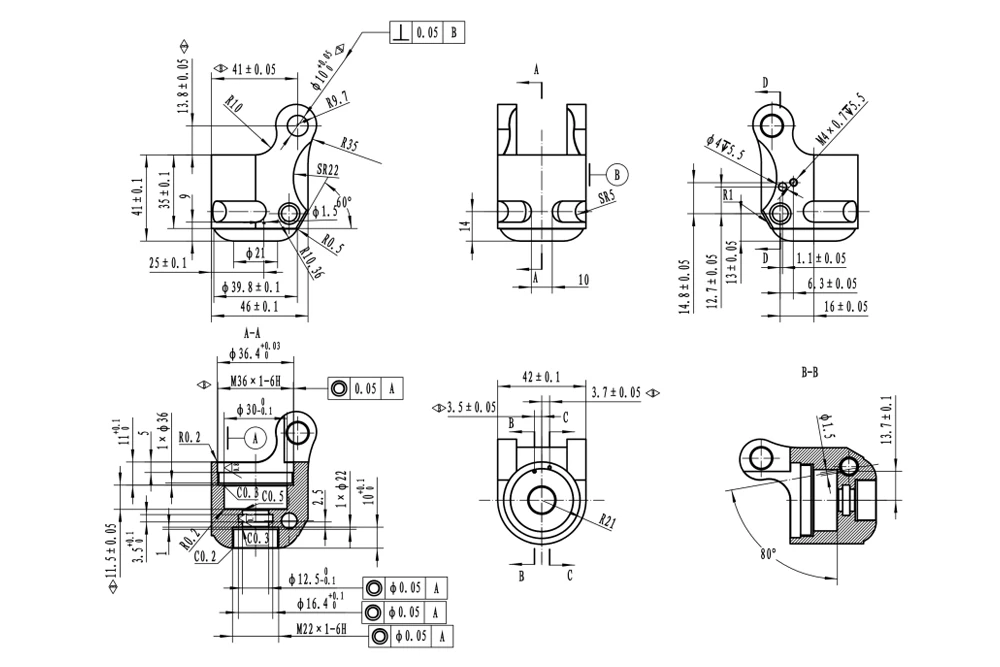
Engineering Requirements for Automotive Components

Review critical features, materials, and manufacturing requirements before production begins.

Design and Quality Considerations for Automotive Parts

Automotive-related components must be evaluated according to their intended function, interfaces, operating environment, and applicable project specifications. A clear understanding of these requirements helps align the manufacturing approach with the component’s intended use.

Identify critical dimensions, mounting features, hole locations, and mating interfaces on the engineering drawings. Required tolerances should reflect functional needs and the selected manufacturing process.

Specify the material grade and any applicable requirements for strength, heat resistance, wear, corrosion resistance, or other relevant properties.

Consider how the part interacts with surrounding components, including fit, fastening, movement, clearance, and installation access.

Define the required inspection methods, acceptance criteria, and documentation before production. Any special traceability, first-article inspection, or automotive supplier quality requirements should be agreed upon and confirmed for the project.

Inspection Considerations

Materials for Automotive Components

Select materials according to strength, weight, wear resistance, thermal performance, corrosion resistance, and application requirements.

Material Category Common Examples Typical Applications
Aluminum Alloys 6061, 5052, 7075 Housings, brackets, lightweight mounting components
Stainless Steel 303, 304, 316 Fasteners, equipment parts, selected corrosion-resistant components
Carbon & Alloy Steel 1018, 1045, 4140 Shafts, fixtures, supports, mechanical components
Copper & Brass C110, C360 and suitable grades Electrical components, fittings, selected conductive parts
Engineering Plastics POM, Nylon, ABS, PC Covers, clips, gears, housings, functional components
High-Performance Plastics PEEK and other suitable grades Selected demanding applications where thermal, chemical, or mechanical properties justify their use

Material selection plays an important role in automotive component design. Aluminum alloys may be considered where weight and machinability are important, while steels can be suitable for components requiring specific strength or wear characteristics. Engineering plastics can offer advantages in weight, insulation, chemical resistance, or design flexibility, depending on the material grade and application.

The appropriate choice depends on operating temperature, mechanical loading, chemical exposure, dimensional requirements, and the intended manufacturing process. Material grades, required certifications, and performance specifications should be confirmed during project review.

View our Success Gallery to see our work!

A Manufacturing Partner for Automotive Projects

Project-focused support for custom components, technical requirements, and coordinated manufacturing.

Drawing-Based Manufacturing

Evaluate each component against its engineering drawings, specifications, and intended application.

Multiple Manufacturing Options

Consider machining, sheet metal fabrication, injection molding, and assembly according to project needs.

Project Coordination

Align material selection, process planning, finishing, and inspection requirements within the agreed scope.

Global B2B Support

Support technical communication and manufacturing coordination for custom automotive-related components.

FAQ

Automotive FAQs

What types of automotive components can Koham manufacture?

Depending on the design and available capabilities, potential projects include brackets, housings, shafts, mounting components, plastic parts, fixtures, and other custom mechanical components. Manufacturing feasibility should be confirmed from the drawings and project specifications.

EV-related projects may involve mechanical brackets, housings, mounting structures, equipment parts, and other components. Suitability depends on the component’s function, material, thermal environment, electrical requirements, and any applicable safety specifications.

CNC machining, sheet metal fabrication, injection molding, prototyping, and assembly may be appropriate depending on part geometry, materials, order quantities, and functional requirements.

Common options include aluminum alloys, selected steels, stainless steel, copper alloys, and engineering plastics. The best choice depends on mechanical loads, weight, temperature, chemical exposure, corrosion resistance, and manufacturing requirements.

Provide engineering drawings or CAD files, material and grade, estimated quantity, critical tolerances, finishing requirements, and any project-specific quality or documentation requirements.

Requirements should be discussed and confirmed before quotation. Documents such as material certificates, inspection reports, first-article records, or automotive-specific quality submissions should only be agreed upon when the relevant manufacturing and documentation capabilities are available for the project.

Scroll to Top