







CNC Machining Services
CNC Machining Capabilities
Custom CNC Machining for Precision Components
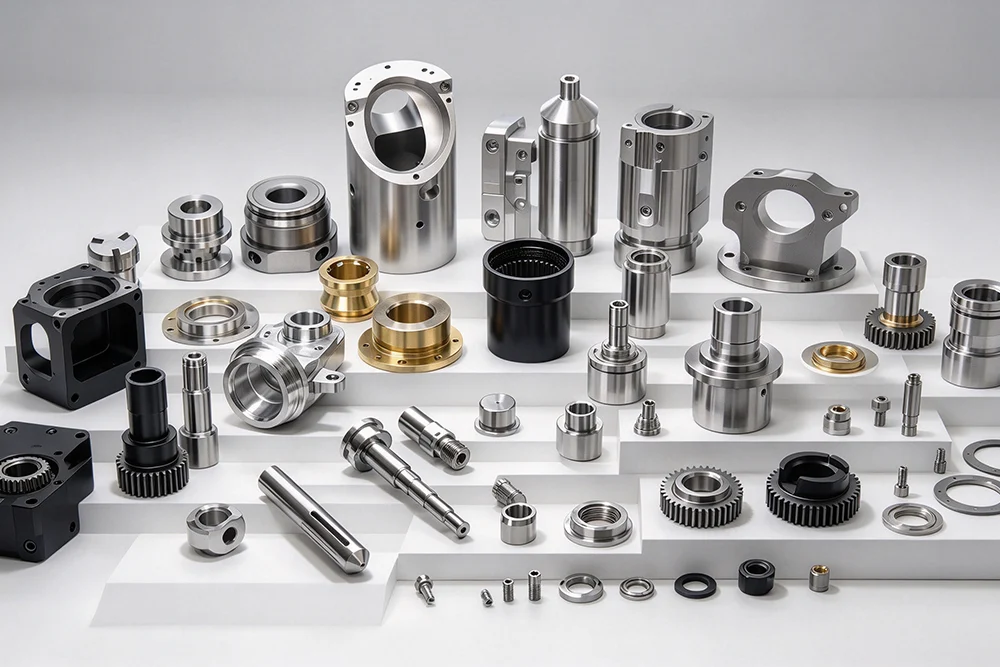
Koham provides custom CNC machining services for metal and engineering plastic components manufactured to customer drawings and specifications. From complex geometries and functional prototypes to repeat production parts, we help customers evaluate suitable materials, machining processes, and manufacturing requirements for their applications.
Whether you are developing a new component or sourcing parts for an ongoing project, share your CAD files, technical drawings, and project requirements with our team to discuss a suitable manufacturing approach.
CNC Milling & Turning:for Custom Components
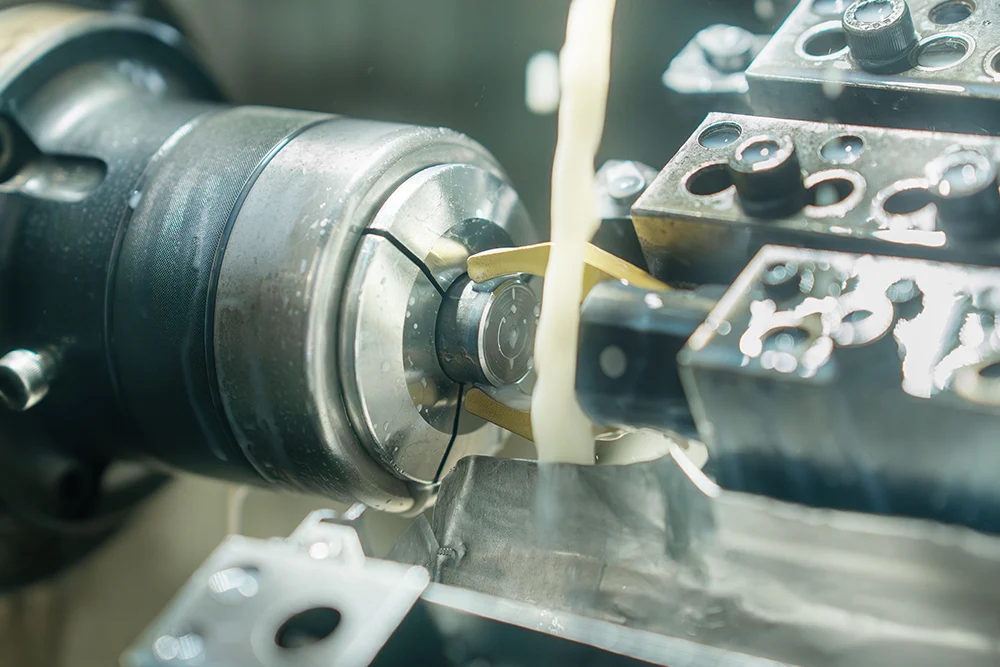
CNC milling and turning are widely used to manufacture custom components with defined geometries, dimensional requirements, and functional features. Milling is suitable for parts with flat surfaces, pockets, slots, holes, and complex contours, while turning is commonly used for cylindrical components such as shafts, bushings, pins, and sleeves.
Material selection, part geometry, tolerance requirements, and surface finish all influence the appropriate machining process. Koham reviews project specifications to help identify suitable manufacturing approaches for custom components used in industrial equipment, machinery, automation systems, and other engineered products.
Custom CNC Parts for Complex Designs
CNC machining converts CAD models and engineering drawings into custom components designed around specific dimensional and functional requirements. Depending on the part geometry, machining operations can produce features such as pockets, bores, threads, slots, mounting interfaces, and complex contours.
From prototypes and low-volume orders to recurring production requirements, each project should be evaluated according to its material, geometry, critical dimensions, and intended application. Koham works with B2B customers to review part requirements and discuss manufacturing options suited to their designs.
Materials
CNC Machining Materials for Custom Parts
Different materials offer different combinations of strength, weight, machinability, wear resistance, corrosion resistance, and thermal performance. Choosing the right material helps align the finished component with its intended function and operating environment.
Koham supports project-specific material selection for CNC-machined components, including metals and engineering plastics. Share your drawings and application requirements to discuss suitable material options.
Alloy Steel
Alloy steels such as 4140 are used for components that require strength, toughness, fatigue resistance, or wear performance. Their properties vary according to grade and heat treatment, which can also affect machinability. Common applications include shafts, mechanical components, tooling, and industrial parts subject to demanding service conditions.
| Alloy Steel | UNS Designation | DIN Designation | ISO Designation |
|---|---|---|---|
| 4140 | 1.7225 | 708M40 | 42CrMo4 |
| 4340 | 1.6565 | 817M40 | 40NiCrMo6 |
| 8620 | 1.6523 | 805M20 | 20NiCrMo2 |
| 52100 | 1.3505 | 100Cr6 | SUJ2 |
| 4142 | 1.7227 | 708M40T | 41CrMoS4 |
| 6150 | 1.8159 | 735A51 | 50CrV4 |
Aluminum
Aluminum alloys are widely used in CNC machining because of their low density, good machinability, and useful strength-to-weight ratio. Common grades include 6061-T651, 7075-T651, and 2024-T351, each offering different combinations of mechanical properties and corrosion resistance. Material selection should reflect the component's loading conditions, environment, and dimensional requirements.
| Aluminum Alloy | UNS Designation | DIN Designation | ISO Designation |
|---|---|---|---|
| 7075-T651 | 3.4365 | 76528 | AlZn5.5MgCu |
| 6082-T651 | 3.2315 | 64430 | AlSi1MgMn |
| 6060 | 3.3206 | EN AW-6060 | AlMgSi |
| 5052 | EN AW-5052 | 3.3523 | AlMg2,5 |
| 2017A | 3.1325 | 24530 | AlCu4MgSi |
Brass
Brass is a copper-zinc alloy known for its machinability, corrosion resistance, and attractive appearance. It is commonly used for fittings, valve components, threaded parts, and electrical hardware. Different brass grades offer different mechanical and machining characteristics, so the appropriate grade should be selected according to the part's function and operating conditions.
| Brass | UNS Designation | DIN Designation | Alternative Designation |
|---|---|---|---|
| C36000 | UNS C36000 | CUZN39PB3 | CuZn39Pb3 |
| C46400 | UNS C46400 | CuZn38Al | Naval Brass |
| C93200 | UNS C93200 | Saems 660 | Bearing Bronze |
| C48500 | UNS C48500 | CuZn39Sn1 | Leaded Muntz Metal |
| C26000 | UNS C26000 | CUZN30 | Cartridge Brass |
| C37700 | UNS C37700 | CUZN40PB2 | Forging Brass |
Copper
Copper offers excellent electrical and thermal conductivity, good ductility, and corrosion resistance in many environments. It is often used for electrical components, heat-transfer parts, and other applications where conductivity is important. Its ductility can influence chip formation and burr control during machining, making process selection an important
| Copper | UNS Designation | DIN Designation | Alternative Designation |
|---|---|---|---|
| C11000 | UNS C11000 | Cu-ETP | Electrolytic Tough Pitch (ETP) Copper |
| C10100 | UNS C10100 | OF-OK | Oxygen-Free Electronic (OFE) Copper |
| C10200 | UNS C10200 | OF-Cu | Oxygen-Free (OF) Copper |
| C28000 | UNS C28000 | CuZn40 | Muntz Metal |
| C14500 | UNS C14500 | TeCu | Tellurium Copper |
Hastelloy
Hastelloy is a group of nickel alloys known for their high resistance to corrosion, pitting, and stress-corrosion cracking. They are often used in harsh environments like chemical processing and aerospace, where durability is crucial.
| Hastelloy | UNS Designation | DIN Designation | Alternative Designation |
|---|---|---|---|
| C276 | UNS N10276 | 2.4819 | NiMo16Cr15W |
| C22 | UNS N06022 | 2.4602 | NiCr21Mo14W |
| B-2 | UNS N10665 | 2.4617 | NiMo28 |
| X | UNS N06002 | 2.4665 | NiCr22Fe18Mo |
| C2000 | UNS N06200 | 2.4675 | NiCr23Mo16Cu |
| G-30 | UNS N06030 | 2.4603 | NiCr29Mo9Fe |
Inconel
Inconel is a strong, corrosion-resistant nickel alloy, ideal for challenging aerospace applications. It can withstand extreme temperatures and pressures, making it suitable for jet engines and gas turbines.
| Inconel | UNS Designation | DIN Designation | Alternative Designation |
|---|---|---|---|
| 718 | UNS N07718 | 2.4668 | NiCr19Fe19Nb5Mo3 |
| 625 | UNS N06625 | 2.4856 | NiCr22Mo9Nb |
| 600 | UNS N06600 | 2.4816 | NiCr15Fe |
| X-750 | UNS N07750 | 2.4669 | NiCr15Fe7TiAl |
| 601 | UNS N06601 | 2.4851 | NiCr23Fe |
| 725 | UNS N07725 | 2.4668 | NiCr19Fe19Nb5Mo3 |
Invar
Invar is a nickel alloy with very low thermal expansion, making it highly stable and perfect for precision applications such as instrumentation and aerostructure molds. It is also used in scientific instruments where dimensional stability is critical.
| Invar | UNS Designation | DIN Designation | Alternative Designation |
|---|---|---|---|
| 36 | UNS K93600 | 1.3912 | FeNi36 |
| 42 | UNS K94200 | 1.3917 | FeNi42 |
| 48 | UNS K94800 | 1.3922 | FeNi48 |
| 32-5 | UNS K94610 | 1.3911 | FeNi32-5 |
| 42-6 | UNS K94620 | 1.3913 | FeNi42-6 |
| 46 | UNS K94630 | 1.3914 | FeNi46 |
Maraging Steel
Maraging steels are ultra-high-strength steels that are easy to machine and weld without causing distortion. They gain their exceptional hardness and toughness from a special heat-treating process, making them suitable for aerospace and tooling applications.
| Maraging Steel | UNS Designation | DIN Designation | Alternative Designation |
|---|---|---|---|
| 200 | UNS K93120 | 1.6359 | 20Ni Maraging Steel C200 |
| 250 | UNS K92890 | 1.6358 | 18Ni Maraging Steel C250 |
| 300 | UNS K93120 | 1.6354 | 18Ni Maraging Steel C300 |
| 350 | UNS K93160 | 1.6356 | 18Ni Maraging Steel C350 |
| 400 | UNS K91460 | 1.6352 | Custom 465 Stainless |
| 500 | UNS K92810 | 1.6354 | Custom Age 625 Plus |
Stainless Steel
Stainless steel provides corrosion resistance and a range of mechanical properties for industrial components and equipment. Common grades include 303, 304, and 316, each suited to different machining, strength, and environmental requirements. The appropriate grade depends on exposure conditions, surface requirements, and the intended function of the finished part.
| Stainless Steel | UNS Designation | DIN Designation | Alternative Designation |
|---|---|---|---|
| 316L | UNS S31603 | X2CrNiMo17-12-2 | Stainless Steel 316L |
| 304 | UNS S30400 | X5CrNi18-10 | Stainless Steel 304 |
| 17-4 PH | UNS S17400 | X5CrNiCuNb16-4 | Stainless Steel 17-4 PH |
| 303 | UNS S30300 | X8CrNiS18-9 | Stainless Steel 303 |
| 420 | UNS S42000 | X20Cr13 | Stainless Steel 420 |
| 440C | UNS S44004 | X105CrMo17 | Stainless Steel 440C |
Titanium
Titanium alloys offer a high strength-to-weight ratio and good corrosion resistance. Selected grades are used in demanding applications where weight, mechanical performance, or material compatibility is important. Titanium can be more challenging to machine than many common metals, so material grade, component geometry, and machining requirements should be reviewed together.
| Titanium Grade | UNS Designation | DIN Designation | Alternative Designation |
|---|---|---|---|
| 5 (Ti-6Al-4V) | UNS R56400 | 3.7165 | Ti-6Al-4V |
| 2 | UNS R50400 | 3.7035 | CP Titanium |
| 23 (Ti-6Al-4V ELI) | UNS R56401 | 3.7165 | Ti-6Al-4V ELI |
| 9 (Ti-3Al-2.5V) | UNS R56320 | 3.7195 | Ti-3Al-2.5V |
| 7 (Ti-0.2Pd) | UNS R52400 | 3.7235 | Ti-0.2Pd |
| 12 (Ti-0.3Mo-0.8Ni) | UNS R53400 | 3.7105 | Ti-0.3Mo-0.8Ni |
Tool Steel
Tool steels are hard, stiff, and resistant to abrasion, making them perfect for manufacturing industrial tools. Their robustness is essential for cutting, drilling, and molding applications in various industries.
| Tool Steel | UNS Designation | DIN Designation | Alternative Designation |
|---|---|---|---|
| D2 | UNS T30402 | 1.2379 | X155CrVMo12-1 |
| M2 | UNS T11302 | 1.3343 | HS6-5-2C |
| A2 | UNS T30102 | 1.2363 | X100CrMoV5-1 |
| S7 | UNS T41907 | 1.2355 | 50CrMoV13-15 |
| O1 | UNS T31501 | 1.2510 | 100MnCrW4 |
| H13 | UNS T20813 | 1.2344 | X40Cr |
Tolerances
CNC Machining Tolerances & Capabilities
Machining tolerances and achievable part dimensions depend on the selected process, material, component geometry, feature accessibility, and inspection requirements. The table below summarizes the current listed parameters for Koham’s CNC machining services.
Tighter tolerances and finer surface finishes may require additional process planning and inspection. When requesting a quotation, identify critical dimensions, functional interfaces, material requirements, and any specific surface finish requirements so the project can be reviewed against the appropriate manufacturing capabilities.
| Machining Service | 5-Axis Machining | EDM Machining | Mill-Turn Machining | CNC Lathes/Turning |
|---|---|---|---|---|
| Maximum Part size | 28″ x 24″ x 15″ | 13.5″ x 21.5″ | 14″ dia x 16″ oal | 10″ dia x 10″ oal |
| Standard Lead Time | 2 weeks | 2 weeks | 2 weeks | 1 weeks |
| General Tolerances | .001″ | .0005″ | .0025″ | .0025″ |
| Precision Tolerances | .0001″ | .00005″ | .0005″ | .00025″ |
| Minimum Feature Size | 250 x .250 x .250 | .01 x .01 x .01 | .060″ dia x .050″ oal | .060″ dia x .050″ oal |
| Minimum Surface Finish | 8 | 8 | 8 | 8 |
| Standard Surface Finish | 64 | 32 | 32 | 32 |
*Standard delivery dependent on workloads. Call koham for current lead times.
Parts
Surface Finishes for CNC-Machined Parts
Surface finish can influence a component’s appearance, wear behavior, corrosion protection, cleanability, and fit with other parts. Depending on the material and application, CNC-machined components may use an as-machined finish, a refined mechanical finish, or a suitable secondary surface treatment.
When requesting a quotation, specify the desired surface appearance, any required roughness value, functional contact areas, and surfaces that must remain untreated. Available finishing options depend on material compatibility, part geometry, and project requirements.

As machined (Ra 3.2μm / Ra 126μin)
The component retains the surface texture produced by the machining process, including visible tool marks. This finish is often suitable for functional parts where the surface meets the required specifications without additional cosmetic treatment.
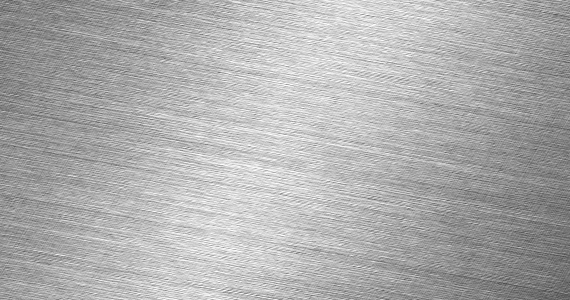
Smooth machining (Ra 1.6μm / Ra 63μin)
Additional machining or finishing is used to achieve a smoother surface with less visible tool marking. This option may be appropriate for parts where improved surface appearance, contact characteristics, or fit is required.
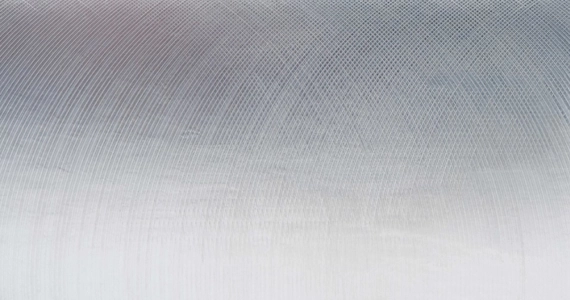
Fine machining (Ra 0.8μm / Ra 32μin)
A finer machining finish reduces surface irregularities and visible tool marks. It may be suitable for components with more demanding surface requirements, depending on geometry, material, and the specified inspection method.

Polishing (Ra 0.8μm / Ra 32μin)
Polishing refines the surface to achieve a smoother appearance and, where appropriate, a brighter finish. The achievable result depends on the material, initial surface condition, part geometry, and polishing method.
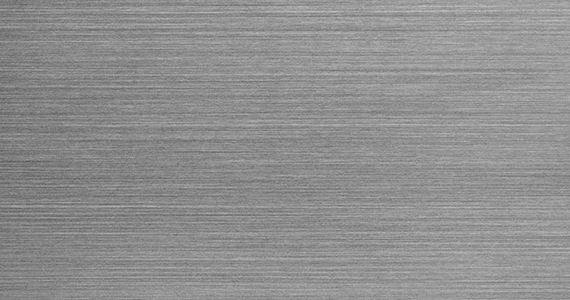
Brushed (Ra 1.2μm / Ra 47μin)
Brushing creates a directional surface texture with fine, parallel lines. It is commonly chosen for components where a consistent brushed appearance is desired. The final appearance depends on the material and brushing process.

Electroless Nickel Plating
Electroless nickel plating deposits a nickel-based coating through a chemical process. Depending on the substrate and coating specification, it can improve surface hardness, wear performance, and corrosion resistance. Coating thickness and dimensional effects should be considered for critical features.
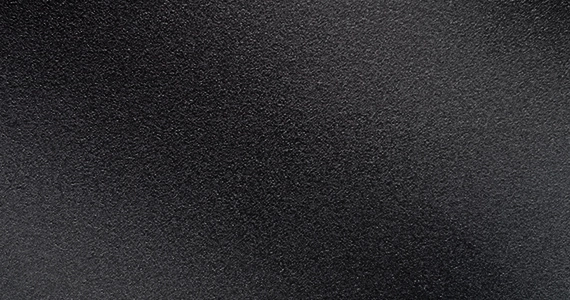
Bead Blasted + Anodized type II
The component is bead blasted to create a more uniform matte texture before Type II anodizing. This combination can provide a consistent appearance and an anodized protective oxide layer on suitable aluminum alloys. Color and final appearance depend on the material and finishing process.
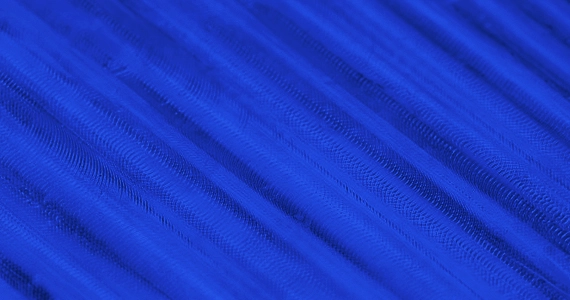
As machined + Anodized type II
The machined surface is anodized without first applying a separate decorative texture treatment. Machining marks may remain visible beneath the anodized layer. This finish can provide surface protection and a consistent appearance for suitable aluminum components.
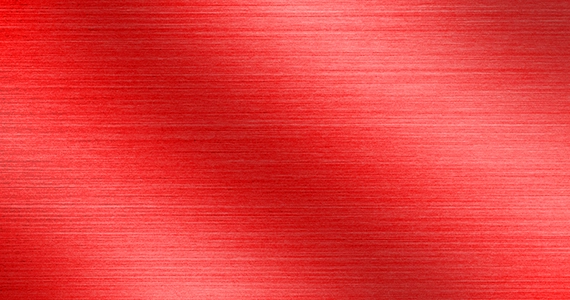
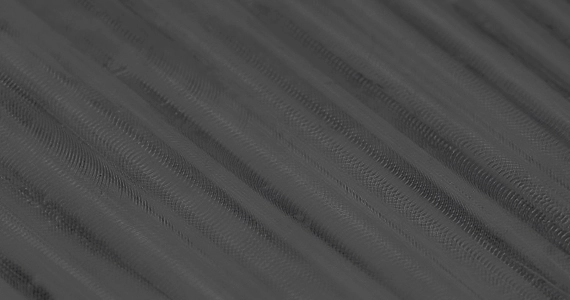
Brushed + Anodized type II (Glossy)
The surface is brushed to create a directional texture before Type II anodizing. The final appearance combines the brushed grain with the anodized finish. Results depend on the aluminum alloy, surface preparation, color, and finishing parameters.

Bead blasted + Anodized type II (Matte)
Bead blasting creates a uniform textured surface before Type II anodizing. The combination is commonly selected when a more subdued matte appearance is desired on suitable aluminum components. Final color and texture depend on surface preparation and anodizing conditions.
As machined + Anodized type III (Hardcoat)
Type III hardcoat anodizing creates a thicker, harder anodic layer on suitable aluminum alloys. It is selected for applications requiring increased surface hardness and wear resistance. Coating thickness, dimensional allowances, and required performance should be specified before processing.

Brushed + Electropolished (Ra 0.8μm / Ra 32μin)
Brushing establishes a directional surface texture, while electropolishing removes a controlled amount of material through an electrochemical process. This combination may be used for suitable stainless steel components where surface refinement is required. The final texture and roughness depend on the material, initial condition, and finishing parameters.
Global Precision CNC Machining for B2B Manufacturing
Koham provides custom CNC machining and manufacturing support for B2B customers serving a range of industries and markets. Our focus is on producing components that meet defined technical requirements while maintaining clear communication throughout the project.
From prototype development and low-volume orders to recurring production requirements, we work with customers to review drawings, materials, tolerances, and manufacturing considerations. The appropriate process depends on the part design, functional requirements, and production objectives.
Whether you are sourcing components for industrial machinery, automation systems, robotics, or other engineered products, Koham aims to support your project with practical manufacturing coordination and clear technical communication.
Share your CAD files, engineering drawings, or project specifications to discuss suitable machining options and request a quotation.
CNC Machining Surface Treatments

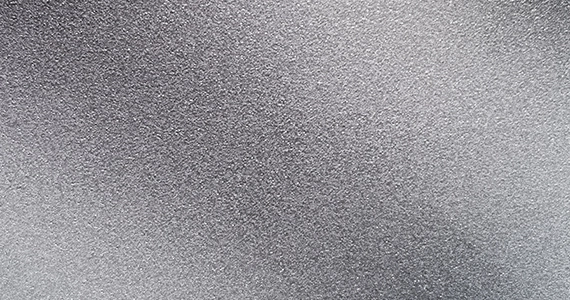
Bead blasted
Bead blasting uses abrasive media to create a more uniform surface texture and reduce the visibility of some machining marks. The resulting appearance depends on the material, media, and blasting parameters. It is commonly used when a consistent matte texture is required.
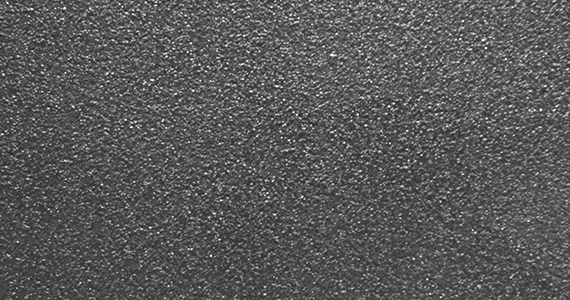
Powder coated
Powder coating applies a dry coating material that is cured to form a protective and decorative surface. It can provide color options and surface protection for compatible components. Part geometry, coating thickness, masking requirements, and dimensional tolerances should be reviewed before finishing.
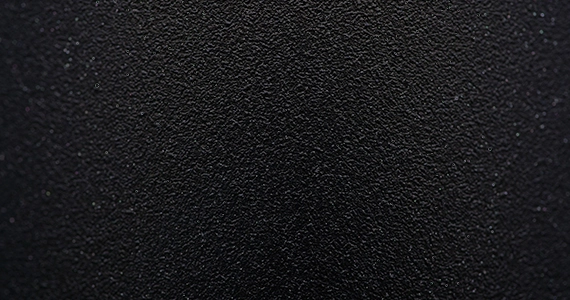
Black oxide
Black oxide is a chemical conversion treatment commonly used on suitable ferrous materials, including certain steel components. It produces a dark surface appearance and may provide limited corrosion protection when used with an appropriate post-treatment. It is not a substitute for a more substantial protective coating where the application requires greater corrosion resistance.
FAQ
CNC Machining Capabilities FAQs
What Is the Difference Between CNC Machining and Machining?
Machining is a broad category of manufacturing processes that remove material from a workpiece to create a desired shape or dimension. CNC machining uses computer-controlled equipment to execute programmed machining operations. It supports repeatable tool movement and is suitable for producing parts with defined geometries and dimensional requirements.
What Does a CNC Machining Company Do?
A CNC machining company manufactures components using computer-controlled machining processes such as milling and turning. Depending on its capabilities, it may also provide specialized machining, prototyping, finishing, and related manufacturing services. Customers typically provide engineering drawings, CAD files, material requirements, and other specifications for quotation and production review.
Who Uses CNC Machining Services?
CNC machining services are used by OEMs, product developers, engineering teams, machinery manufacturers, automation businesses, and companies that require custom components. Common projects include prototype parts, mechanical components, housings, shafts, brackets, and production parts made to engineering specifications.
What Is CNC Machining?
CNC machining, or Computer Numerical Control machining, is a manufacturing process in which computer-controlled machine tools remove material from a workpiece to create a specified component. Depending on the design, process, and material, it can produce parts with defined features, complex geometries, and controlled dimensions.
How Does CNC Machining Work?
The process typically begins with a 2D engineering drawing or 3D CAD model. The design is reviewed and converted into machine instructions that define toolpaths and machining operations. The CNC machine follows these instructions to mill, turn, drill, or perform other operations. The finished part can then be inspected against the applicable drawing and project requirements.
What Are the Advantages of CNC Machining Over Traditional Machining Methods?
CNC machining automates tool movement and helps maintain repeatable machining operations across multiple parts. It can also support complex geometries and consistent feature placement when the process is appropriately programmed and controlled. The suitability of CNC machining depends on part design, material, required tolerances, production quantity, and overall project requirements.