Custom Sheet Metal Assembly Services

Prototyping

Custom Sheet Metal Prototyping Services

Transform your CAD designs into custom sheet metal prototypes for fit checks, functional testing, and product development. From brackets and mounting plates to equipment enclosures and multi-part assemblies, Koham supports project-specific fabrication requirements to help you evaluate part geometry, material choices, and assembly interfaces before moving forward with production.

Sheet Metal Prototyping

What Is Sheet Metal Prototyping?

Sheet metal prototyping is the process of producing physical metal parts or assemblies from engineering drawings and CAD designs to evaluate a product before production. Using processes such as laser cutting, punching, bending, and assembly, manufacturers can turn digital designs into tangible components for testing and review.


A physical prototype helps engineers assess dimensions, part fit, mounting interfaces, appearance, and selected functional requirements under realistic conditions. It can also reveal design issues that may not be obvious from a CAD model alone.


For product developers and industrial manufacturers, sheet metal prototyping provides a practical way to refine component geometry, evaluate assembly methods, and identify manufacturing considerations before finalizing a design for repeat production. The appropriate prototype approach depends on the material, design complexity, testing objectives, and intended production process.

Why Use Sheet Metal Prototyping?

A coordinated workflow helps align part manufacturing, joining methods, assembly requirements, and final inspection.

Sheet metal prototyping allows product teams to evaluate physical components before finalizing a design for production. By manufacturing representative parts from the intended material and fabrication methods, teams can identify design issues, check assembly interfaces, and assess whether the part meets its functional requirements.


Testing a prototype can also help reveal opportunities to simplify part geometry, adjust material selection, or improve the manufacturing and assembly process. Addressing these considerations earlier can reduce avoidable design changes later in the product development cycle.


The value of prototyping depends on what needs to be validated, from basic dimensions and fit to structural behavior, appearance, and assembly requirements.

Validate Part Geometry

Evaluate dimensions, contours, mounting holes, and other design features on a physical component.

Check Fit & Assembly

Review clearances, interfaces, fastening locations, and the fit between mating components.

Evaluate Functionality

Test selected functional characteristics under the conditions relevant to the intended application.

Refine the Design

Use prototype feedback to identify potential changes before finalizing manufacturing and assembly requirements.

View our Success Gallery to see our work!

Assembly Methods for Custom Metal Components

Choose joining methods based on structural requirements, materials, appearance, and maintenance needs.

Sheet Metal Prototyping

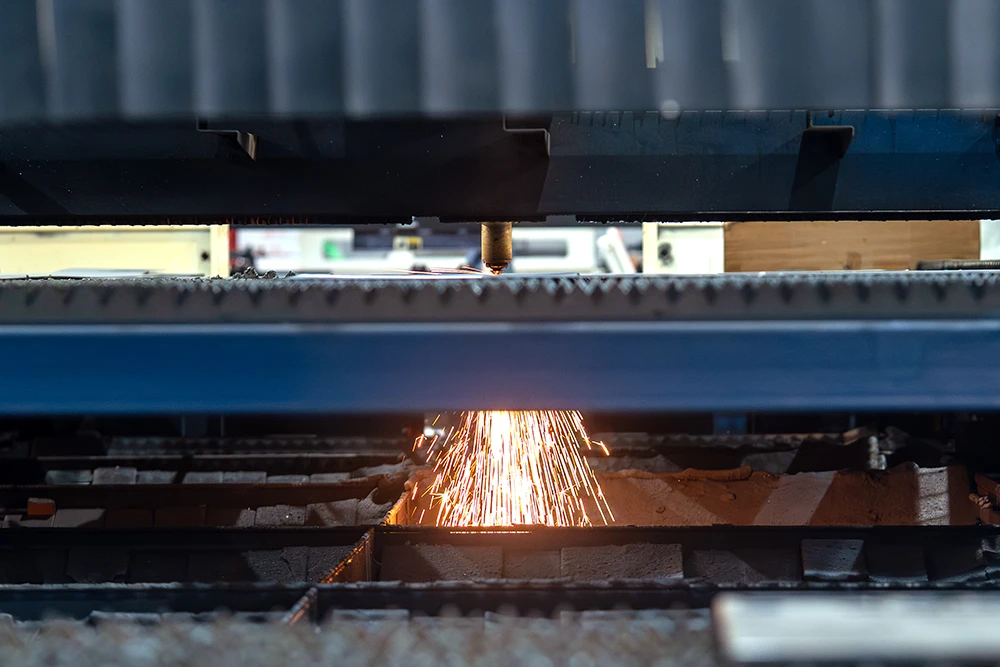
Laser Cutting

Produces flat prototype components with specified contours, holes, slots, and cutouts.

Sheet Metal Bending Design Guidelines

Forming & Bending

Creates defined holes, slots, and selected formed features where suitable tooling is available.
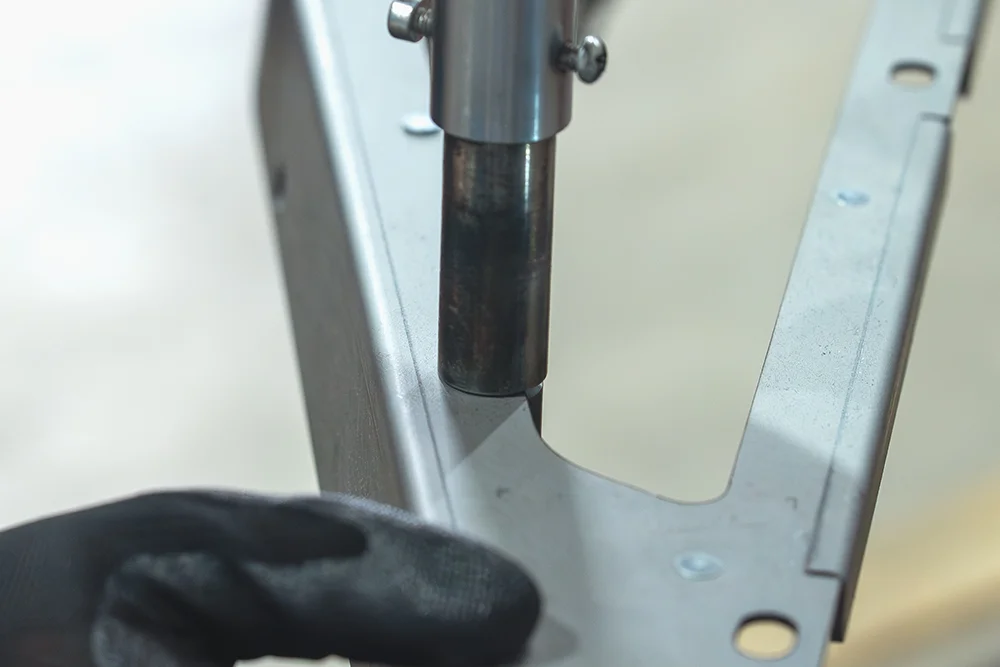
Hardware Insertion

Hardware Insertion & Assembly

Adds compatible fastening hardware and combines components to evaluate fit, access, and assembly relationships.
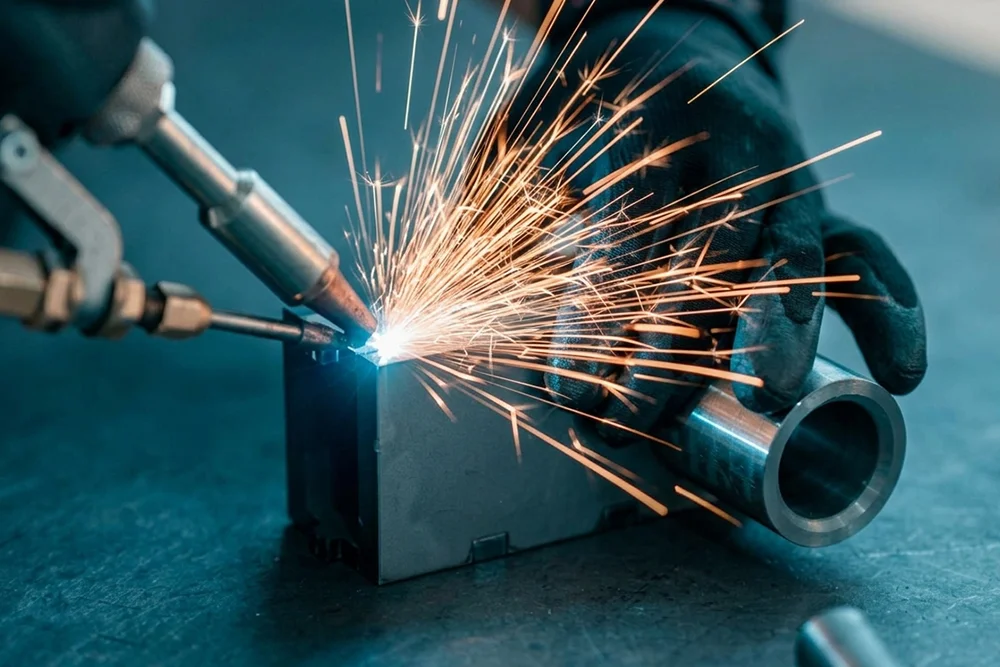
Welded Assemblies 1

Welding & Finishing

Supports suitable joining and surface treatment requirements for prototypes that need to reflect the intended assembly or appearance.

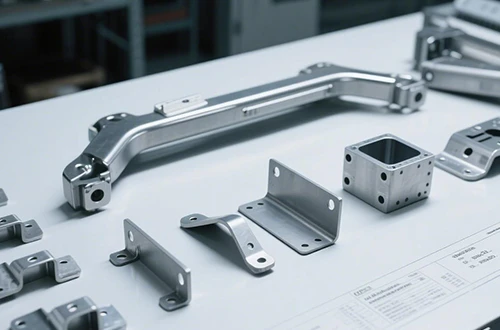
Design for Manufacturability in Prototyping

Review key design details before finalizing your sheet metal prototype.

Design Considerations for Sheet Metal Prototypes

A prototype is most useful when it represents the design features that need to be evaluated. Reviewing material selection, part geometry, tolerances, and assembly interfaces before fabrication helps align the prototype with its intended testing objectives.

Select material based on the purpose of the prototype. Consider whether the goal is to assess basic fit, appearance, structural behavior, corrosion resistance, or another functional requirement.

Identify critical dimensions, mounting holes, and mating interfaces clearly. Tolerances should reflect the intended function and the manufacturing process used to produce the prototype.

Review bend radii, flange lengths, hole-to-bend clearances, and bend reliefs to help ensure that the geometry is compatible with the intended fabrication method.

Consider fastener access, hole alignment, mating surfaces, clearances, and the sequence required to assemble the prototype.

Define what the prototype needs to demonstrate before manufacturing begins. Fit checks, functional evaluation, appearance review, and environmental or load testing may require different materials, features, and inspection methods.

Document observations from prototype evaluation and identify which changes are needed before the next iteration or production review.

Prototype results should be interpreted in the context of the material, manufacturing process, and test conditions used. A prototype does not automatically demonstrate that a design is ready for every production or compliance requirement.

Manufacturability in Prototyping

Sheet Metal Prototype Applications

Functional metal prototypes for product development, equipment design, and assembly evaluation.

Brackets Mounts

Brackets & Mounts

Validate mounting locations, hole patterns, clearances, and mechanical interfaces.

Enclosures Housings

Enclosures & Housings

Evaluate component fit, access panels, openings, and enclosure geometry.
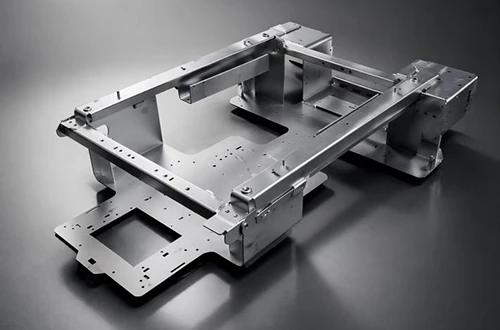
Chassis Structural Parts

Chassis & Structural Parts

Assess mounting structures, alignment, support features, and assembly interfaces.
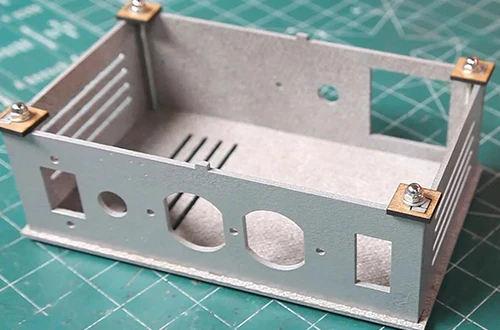
Functional Assemblies

Functional Assemblies

Check how multiple fabricated parts and hardware fit together before production.

From Prototype Validation to Production Planning

Use prototype feedback to refine part designs and prepare for the next manufacturing stage.

Submit Your Design

Share your engineering drawings, CAD files, material requirements, estimated quantities, and validation objectives.

Review Manufacturability

Evaluate material choices, geometry, tolerances, fabrication methods, and assembly requirements.

Manufacture Prototype Parts

Produce the agreed prototype components using the selected manufacturing processes and specifications.

Test & Refine

Evaluate fit, function, dimensions, appearance, and other project-specific requirements, then identify necessary design changes.

Plan the Next Production Stage

Use validated design information to review production quantities, process selection, inspection requirements, and manufacturing planning.

Why Choose Koham for Sheet Metal Prototyping?

Manufacturing support for evaluating designs, refining components, and preparing for production.

Design-Focused Manufacturing

Review drawings and component requirements with prototyping objectives in mind.

Functional Part Evaluation

Create physical components to help assess fit, form, assembly interfaces, and selected functions.

Multiple Process Options

Evaluate suitable combinations of cutting, forming, hardware installation, and assembly for the project.

Support Beyond Prototypes

Use the validated design as a foundation for discussing subsequent manufacturing and production needs.

FAQ

Prototyping FAQs

What is sheet metal prototyping?

Sheet metal prototyping is the process of producing physical metal components or assemblies from design files to evaluate geometry, fit, function, appearance, and other project requirements before production.

Prototyping allows product teams to evaluate a physical representation of a design, check assembly interfaces, test selected functions, and identify possible design changes before finalizing production requirements.

Depending on the design and available manufacturing capabilities, prototypes may use laser cutting, punching, bending, hardware insertion, welding, finishing, and assembly.

Dimensioned 2D engineering drawings and 3D CAD files, where available, are useful starting points. Include material specifications, critical dimensions, tolerances, quantities, and the intended testing objectives.

Yes, when the material, geometry, and manufacturing process are appropriate for the intended evaluation. Structural, load, environmental, or compliance testing may require specific test plans and representative manufacturing conditions.

A validated prototype can provide useful information for production planning. Before scaling up, the final design, material specifications, manufacturing process, cost structure, inspection requirements, and production quantities should be reviewed.

Scroll to Top